
Examining pregnancy tissue
Today’s video shows an actual tissue examination from an abortion at six weeks. This information is essential as you follow the story of the “Issue of Tissue” project.
Today’s video shows an actual tissue examination from an abortion at six weeks. After every manual aspiration procedure, we rinse and evaluate the tissue removed from the uterus. It’s how we know that the procedure is complete. At Early Options, we usually do this exam in the same room as the patient. They often choose to look at it. Doctors and clinicians learn to perform this examination when they learn to complete procedures that remove pregnancy tissue from the uterus.
Why am I sharing this with you? It’s part of our continuing effort to share medical care related to abortion and miscarriage. This information is essential as you follow the story of the “Issue of Tissue” project.
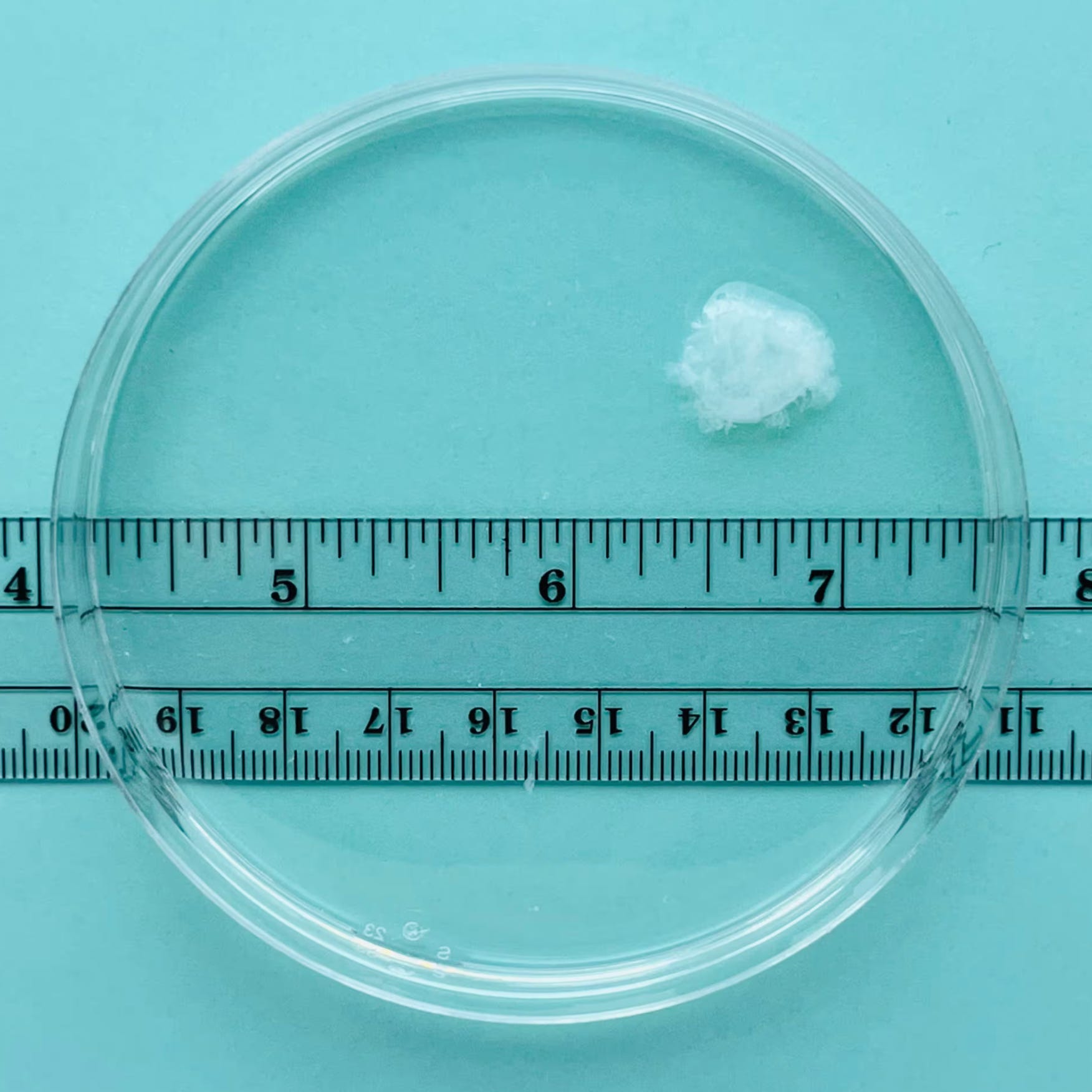
Six weeks of pregnancy
The main “blowback” we received from showing photos of actual pregnancy tissue was the accusation that this was false information. It’s helpful to be blunt here. People couldn’t believe that there were no body parts. They felt we had altered the photos and removed the actual pregnancies. In future posts, we will circle back to this vital part of our story.
For now, let’s continue to learn about medical care.
Here is a video of a tissue examination of an abortion at six weeks. You will see how I rinse the blood from the tissue in a strainer, then float it in a dish on a lightbox.
How does it feel to watch this? Would your feelings be different if I said I removed this tissue after a miscarriage?
Here is a diagram of what you’re looking at:
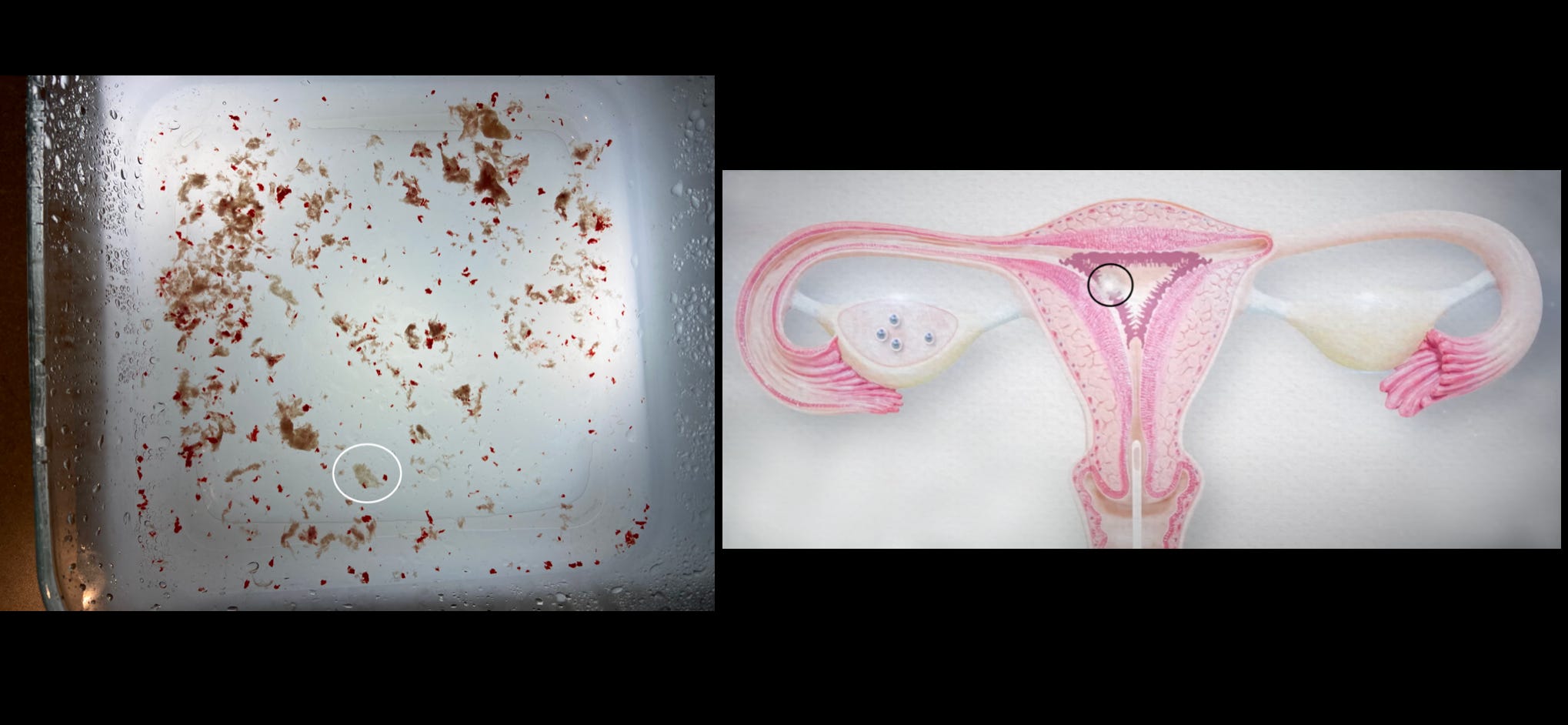
We see two “types” of tissue from 5 to 9 weeks of pregnancy: decidua and the gestational sac (circled). Think of decidua as your period or menstrual lining. It “coats” the inside of the uterus. The gestational sac is the “house” of the developing embryo. When pregnancy is interrupted at nine weeks and under (when approximately 82% of abortions occur), we do not see an embryo itself. The cells that are forming the embryo are invisible.
Many of my patients choose to look at their pregnancy tissue. They find that it affirms their decision and gives some perspective on the stage at which the pregnancy process is interrupted. That doesn’t mean that it’s “just tissue.” Abortion is a profoundly personal decision for every person who comes to me, even when it’s a clear one. As I say to many of my patients, pregnancy can be meaningful, even if it ends.
Why do we see something “bigger” on ultrasound? Why do some say there is a heartbeat at this stage? Would it look different for a miscarriage, ectopic pregnancy, or abortion pills? The answers to these questions are complicated. Future posts will go into more detail about these specific questions.
I’m proud of our growing community. You’re investing your time in learning about needed medical care. It’s important.
It’s our mission to normalize abortion care, medically and culturally. If you can, please invest in this vision of primary care-based abortion and help expand abortion options in primary care settings.